
Enlarged adenoids do not always mean surgery.
Doctor-led conservative care after reviewing your child’s symptoms, sleep, breathing and available ENT reports.
Speak to Our Medical Team →Traditional Kerala Ayurveda protocols · Modern diagnostic inputs
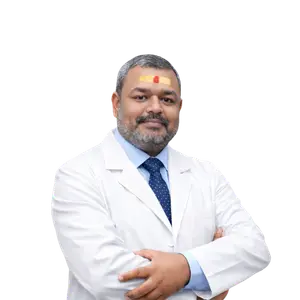
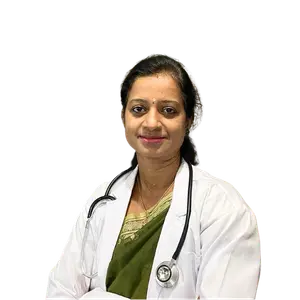
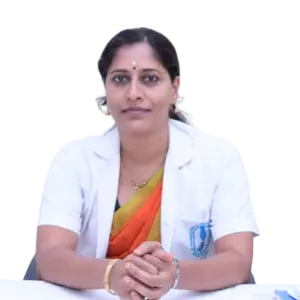
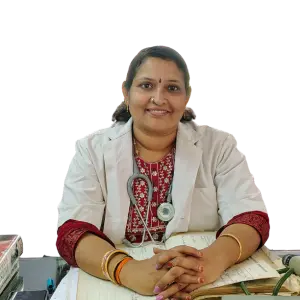
UWAY’s child healthcare is supported by 12 senior Ayurveda doctors with 300+ years of combined clinical experience. After an initial review, we connect your child with the appropriate doctor based on the symptoms and medical needs.



Parents sometimes do not realise that seemingly small changes in breathing, sleep and daytime behaviour may be connected.
The child regularly sleeps or spends the day with the mouth open.
Snoring continues even when the child does not have an obvious cold.
Nasal breathing repeatedly feels difficult or obstructed.
The child frequently changes position or does not appear to sleep comfortably.
Frequent congestion, colds or allergy-like symptoms may occur.
The child’s voice may sound unusually blocked or nasal.
Recurring ear problems or reduced hearing may sometimes be noticed.
Disturbed sleep may affect morning energy and daytime functioning.
Poor-quality sleep can sometimes affect mood and concentration.
Adenoids are normal immune tissue situated behind the nose. They are prominent during childhood and usually become smaller as children grow.
Problems can arise when enlarged or repeatedly inflamed adenoids interfere with the airway behind the nose. This may affect nasal breathing, sleep, the middle ear and daytime wellbeing.
No. Treatment depends on the severity, duration and effect of the symptoms. Some children may be monitored or managed conservatively; others may need ENT treatment.
Every child’s situation is different. Treatment is considered only after understanding the complete clinical picture.
We review mouth breathing, snoring, nasal blockage, sleep, recurrent respiratory symptoms, allergies, tonsils, ears, appetite, energy and previous treatment.
ENT notes, endoscopy findings, X-rays, hearing assessments, sleep assessments, prescriptions and laboratory reports can be considered.
The doctor considers symptom severity, breathing, sleep, hearing, allergies and other health concerns before recommending care.
Where appropriate, age-specific Ayurveda medicines and supportive measures are prescribed according to the child’s clinical condition.
Follow-up looks at nasal breathing, mouth breathing, snoring, sleep, nasal symptoms, ear concerns and morning energy.
Where Ayurveda treatment is considered appropriate, the doctor may prescribe age-appropriate medicines and supportive measures according to the child’s condition.
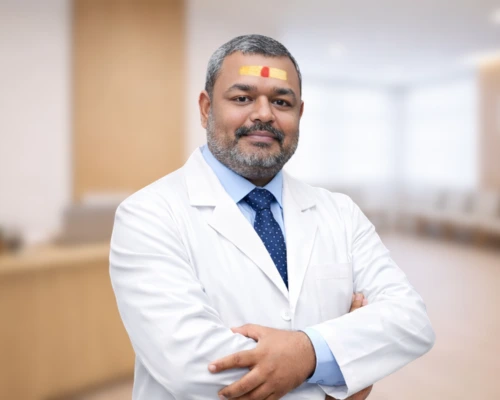
Co-Founder & Medical Director, UWAY Health · 25+ years of clinical experience
UWAY follows traditional Kerala Ayurveda medical protocols while considering relevant ENT findings, investigations and previous medical treatment. Learn more about our Ayurveda Paediatrics & Child Health services and meet the UWAY medical team.
If the child needs further paediatric or ENT evaluation, the family is advised accordingly.
Please seek appropriate medical assessment if your child has:
Severe breathing difficulty requires urgent medical attention.
Good medical care sometimes means treating, sometimes investigating further and sometimes referring. UWAY doctors consider all three.
Yes. Enlarged adenoids can obstruct the airway behind the nose, making nasal breathing difficult and causing some children to breathe through their mouths. Mouth breathing can also have other causes, so an individual assessment is useful.
Yes. Enlarged adenoids are one possible cause of nasal obstruction and snoring in children. Persistent snoring deserves attention, particularly when it occurs with restless sleep, breathing difficulty or pauses in breathing.
No. The decision depends on the severity and duration of symptoms and whether breathing, sleep, ears, hearing, growth or development are significantly affected. Some children can be observed or managed conservatively; others may benefit from surgery.
In selected children, an Ayurveda-based conservative approach may be considered after proper medical assessment. Whether it is appropriate depends on the child’s clinical situation. Necessary ENT treatment should not be delayed merely to continue Ayurveda.
UWAY does not promise that Ayurveda will shrink enlarged adenoids. Our doctors focus on the child’s clinical condition and symptoms, assess whether conservative treatment is suitable and review progress clinically.
No responsible doctor should make that guarantee. The need for surgery depends on the severity of the condition and its effect on breathing, sleep, ears and hearing.
Yes. Existing ENT notes, endoscopy findings, X-rays, hearing assessments and previous prescriptions can help the UWAY doctor make a better-informed assessment.
Many Ayurvedic formulations contain plant-derived ingredients, although formulations are not all identical in composition. Medicines for children should be selected and dosed by a qualified doctor after evaluating the child.
No. Do not stop your child’s prescribed medicines without appropriate medical advice. Tell the UWAY doctor about everything your child is currently taking.
If mouth breathing, snoring or persistent nasal blockage has become part of your child’s everyday life, find out whether an Ayurveda-based conservative approach may be appropriate.
Request a Consultation →Online consultation · ENT reports can be reviewed · Do not stop prescribed medicines before consultation