- Written by Dr. P. Saritha Nair, Senior Consultant at UWAY Health
Many people see Marma Chikitsa mentioned as one of my areas of work and ask me about it.
Some are curious to know what exactly is Marma Chikitsa?”
Some ask, “Is it massage?”
Some ask, “Is it like acupressure?”
The biggest question is “Is Marma Chiktisa really really part of Ayurveda?”
And many ask, “Can it help my neck pain, back pain, stress, sleep problem, or joint pain?”
These are genuine questions. In fact, I feel patients should ask these questions before taking any therapy.
Marma Chikitsa is one of the important areas of Ayurveda. But it is also one of the most misunderstood. Some people make it sound like a miracle treatment. Some people dismiss it as simple pressure-point massage. Both are not correct.
Marma Chikitsa is not magic. It is also not ordinary massage. It is a subtle Ayurvedic clinical skill. It has to be done with knowledge of the body, understanding of Ayurveda, and proper judgement about the patient’s condition.
This article is written to explain Marma Chikitsa in simple language — what it is, when it may help, when it should be avoided, how doctors learn it, and how patients should choose the right person for treatment.
What Is Marma Chikitsa?
Marma Chikitsa is an Ayurvedic treatment approach that works through specific vital points in the body called Marma points.
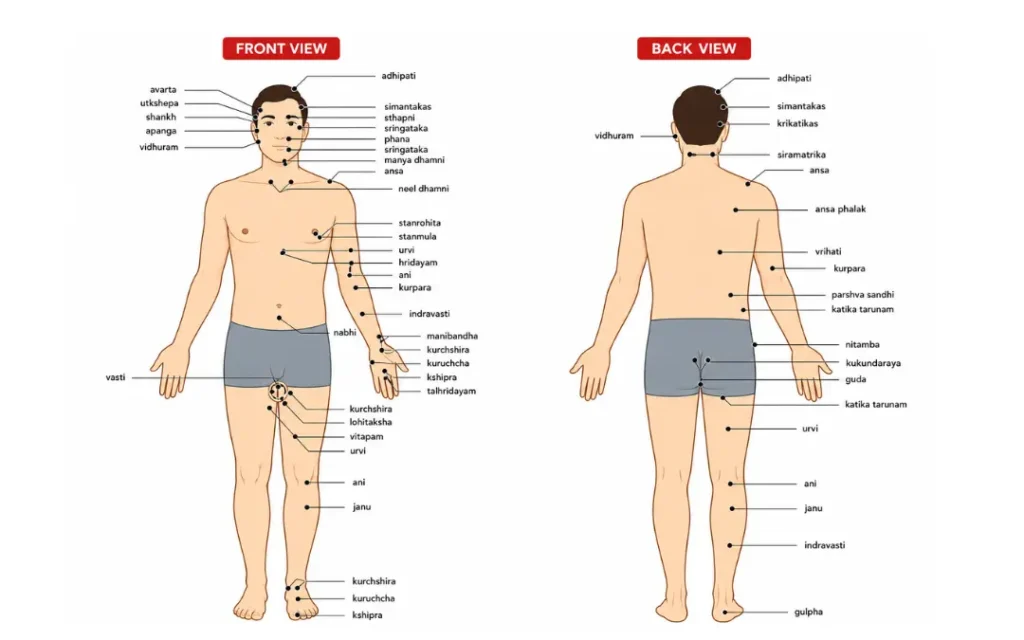
In Ayurveda, Marma points are considered important locations where structures like muscles, ligaments, bones, joints, blood vessels, nerves, and subtle functional energies meet. These are not ordinary points. Classical Ayurveda gives special importance to them because injury to these points can disturb the body seriously.
The word Marma means a vital or sensitive point.
The word Chikitsa means treatment.
So, Marma Chikitsa means treatment done through these vital points.
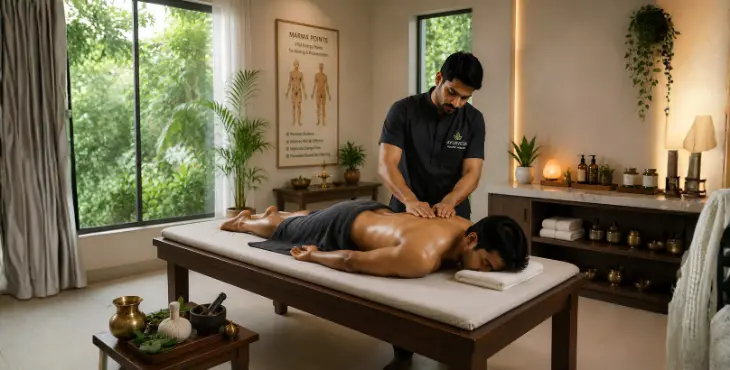
But this does not mean pressing any painful point in the body. In proper clinical practice, the doctor or trained therapist identifies the relevant Marma points and works on them carefully. This may involve gentle pressure, touch, oil application, mild massage-like movements, heat, or other Ayurveda-based methods.
The purpose is to support the body’s natural healing response, reduce pain or stiffness, improve movement, calm the nervous system, and bring better balance.
Is Marma Chikitsa Part of Ayurveda?
Yes, Marma Chikitsa is part of Ayurveda.
Marma is discussed in classical Ayurvedic texts, especially in relation to anatomy, surgery, injury, trauma, and vital points of the body. Traditionally, Marma knowledge was very important because it helped physicians understand which parts of the body must be protected from injury.
Over time, this knowledge was also used therapeutically. Selected Marma points were stimulated carefully to support healing and improve function.
In modern Ayurveda education also, Marma is not outside the system. Ayurveda students study Marma as part of their anatomy training. But there is one important point patients should understand.
Studying Marma in the classroom is the foundation. Practising Marma Chikitsa on patients is a clinical skill. It needs additional training, observation, experience, and judgement.
Is Marma Chikitsa Taught in BAMS?
Yes, Marma is taught in BAMS.
In the BAMS course, students study Marma Sharira under Rachana Sharira, which is Ayurveda anatomy. They learn about the definition of Marma, number of Marma points, classification, location, surface marking, and applied importance.
So, a qualified Ayurveda doctor is not unfamiliar with Marma. It is part of formal Ayurveda education.
But we should be clear. Every BAMS doctor studies Marma. That does not mean every BAMS doctor actively practises Marma Chikitsa as a special area of treatment.
This is similar to other branches of medicine. A doctor may study many subjects during the medical course, but later develops special interest and skill in selected areas. In the same way, Marma Chikitsa usually needs deeper hands-on training after the basic course.
A doctor who wants to practise Marma Chikitsa seriously may learn further through senior Ayurveda physicians, traditional teachers, institutional training, certificate courses, or long clinical practice.
So, the correct understanding is this:
Marma is part of BAMS education. Clinical Marma Chikitsa needs additional practical training and experience.
How Do Doctors Learn Marma Chikitsa?
Doctors learn Marma Chikitsa in stages.
- First, they learn the theory during BAMS. They study the location, classification, surface marking, and clinical importance of Marma points.
- Second, they learn from patients. During internship and practice, they see how pain, stiffness, nerve irritation, stress, disturbed sleep, injury, and movement restriction appear in real life.
- Third, some doctors go deeper into Marma Chikitsa through additional training. They may learn from experienced Ayurveda doctors, traditional experts, special courses, or clinical institutions.
- Fourth, they develop judgement through practice. This is the most important part.
In Marma Chikitsa, knowing the point is not enough. The doctor must know whether that point should be touched in that patient. The doctor must know how much pressure is safe. The doctor must know which points to avoid. The doctor must know when the patient needs investigation, medicines, physiotherapy, yoga, Panchakarma, modern medical opinion, or even urgent referral.
This is why Marma Chikitsa should not be reduced to a chart of pressure points.
The real skill is not only in knowing where to press. The real skill is in knowing when to treat, how to treat, and when not to treat.
What About Traditional Marma Healers?
In many parts of India, especially in Kerala, Tamil Nadu, Karnataka, and other traditional healing regions, there are local healers who are known for Marma-related treatment.
Some of them come from family traditions. Some have learned from a guru. Some are connected with Kalaripayattu or other martial traditions. Some have long experience in bone-setting, injury care, or body-based healing.
This traditional knowledge should be respected. Much of India’s healing wisdom has been preserved by such families and teachers.
But patients also need to be careful.
Today, many people call themselves “Marma experts.” Some may be genuinely trained. Some may have only limited knowledge. Some may mix Marma with massage, acupressure, energy healing, or other methods. Some may apply strong pressure without understanding the patient’s disease.
A patient may not be able to judge this easily.
So, do not blindly reject traditional healers. But do not blindly trust every claim also.
Before taking Marma therapy from a traditional healer or non-doctor therapist, ask a few simple questions.
- What is their training?
- Do they ask about your symptoms properly?
- Do they ask about your diagnosis, medicines, surgery history, pregnancy status, scans, and reports?
- Do they know when not to treat?
- Do they understand red flags like fracture, nerve compression, stroke symptoms, severe spinal pain, or pregnancy risk?
- Do they refer patients to doctors when needed?
- Do they avoid forceful pressure?
- Do they work with or under the guidance of a qualified Ayurveda doctor?
These questions are important because pain is not always simple. Neck pain may be due to cervical disc disease. Back pain may be due to nerve compression. Knee pain may be due to arthritis. Headache may rarely be a sign of something serious. Abdominal pain may not be just gas or indigestion.
A skilled traditional healer may help in selected cases. But for disease-related conditions, it is safer when Marma Chikitsa is guided by a qualified Ayurveda doctor.
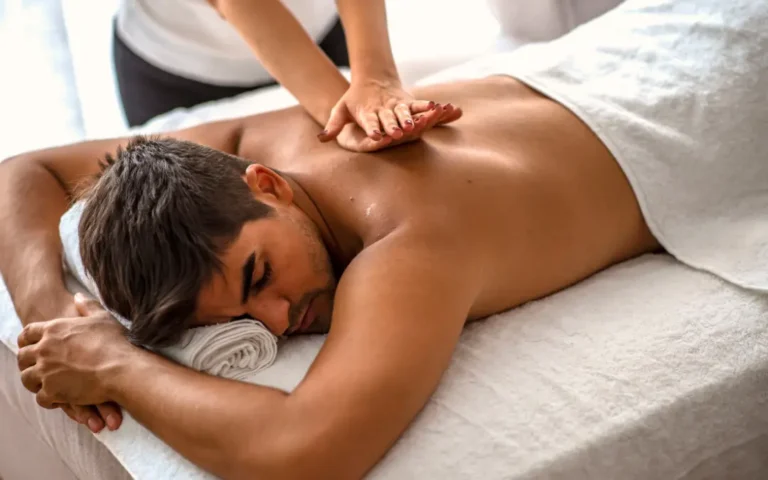
Is Marma Chikitsa the Same as Massage?
No. Marma Chikitsa is not the same as general massage.
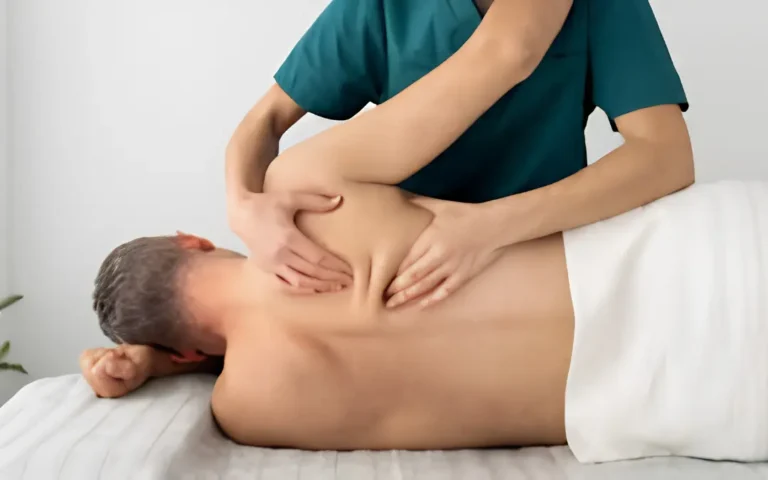
Massage is usually done for relaxation, muscle loosening, or general wellness. Marma Chikitsa is more specific. It is based on selected vital points and the patient’s condition.
Sometimes oil may be used. Sometimes the session may look like a gentle massage. But the purpose is different.
Marma Chikitsa is not about applying heavy force. It is not about making the patient tolerate pain. It is not about pressing very hard because “pain means healing.”
In fact, many Marma points are sensitive. Wrong pressure or excess pressure can worsen discomfort.
A good Marma session should feel careful and precise. It should not feel aggressive.
Is Marma Chikitsa Like Acupressure?
Patients often compare Marma Chikitsa with acupressure because both involve specific points on the body.
There are some similarities from outside. Both use point-based stimulation. Both may help in pain, relaxation, and body regulation.
But they are not the same.
Marma Chikitsa belongs to Ayurveda. It is based on Marma points, Prana, doshas, srotas, dhatus, and the Ayurvedic understanding of the body.
Acupressure comes from Traditional Chinese Medicine and is based on meridians and qi.
So, for a patient, comparison is fine for basic understanding. But clinically, Marma Chikitsa and acupressure are different systems.
How Does Marma Chikitsa Work According to Ayurveda?
In Ayurveda, pain is not seen only as a local problem. The body is understood as one connected system.
For example,
- A patient with neck pain may also have poor sleep, stress, shallow breathing, constipation, acidity, or long sitting hours.
- A patient with back pain may have weak digestion, stress, weight gain, irregular routine, or lack of movement.
- A patient with headache may have eye strain, neck stiffness, disturbed sleep, or mental tension.
Marma Chikitsa works with this connected understanding of the body.
According to Ayurveda, Marma Chikitsa may influence:
- Prana
Prana is connected with life, breath, movement, perception, and nervous system activity. - Vata dosha
Vata is closely linked with pain, stiffness, dryness, nerve function, anxiety, sleep disturbance, and movement. - Srotas
Srotas are the channels of the body. Ayurveda explains that the body functions properly when these channels are clear and balanced. - Local tissues
Gentle stimulation may support circulation, relaxation, and better movement around the affected area. - Mind-body balance
Many patients feel calmer after Marma therapy. This is useful when stress is contributing to pain, stiffness, sleep disturbance, or fatigue.
This is why Marma Chikitsa is usually better when it is part of a complete treatment plan, not when it is used as a stand-alone treatment for every problem.
What Is Marma Chikitsa Used For?
Marma Chikitsa may be used as a supportive therapy in many conditions where pain, stiffness, stress, poor sleep, restricted movement, or functional imbalance is present.
But it should not be presented as a cure for all diseases.
Its role depends on the patient’s diagnosis, severity, age, strength, sensitivity, disease stage, and overall treatment plan.
Let us look at some common situations.
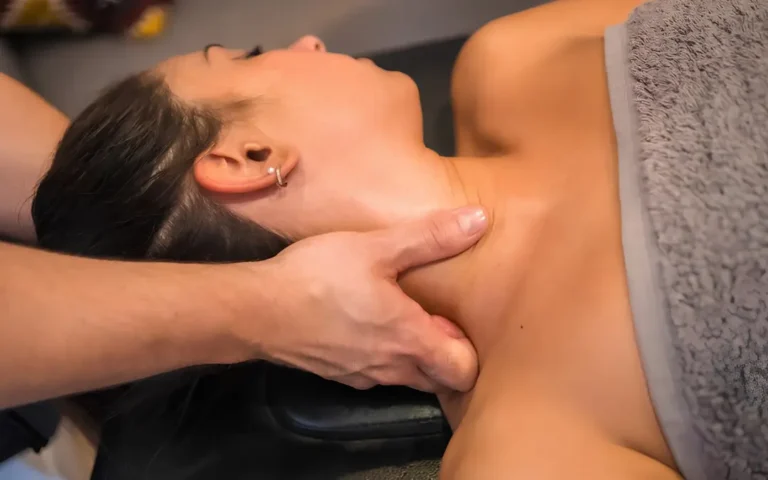
Marma Chikitsa for Neck Pain and Cervical Spondylosis
Many people who work on laptops and phones develop neck stiffness, shoulder tightness, upper back pain, and headache.
In such cases, Marma Chikitsa may help reduce muscle tightness, improve relaxation, and support better movement. It may be combined with posture correction, yoga, breathing practices, local Ayurvedic therapies, and medicines if needed.
But if neck pain is associated with numbness, tingling, weakness in the hands, loss of balance, severe radiating pain, or spinal cord compression, Marma Chikitsa should not be done casually.
A proper medical evaluation is needed first.
Marma Chikitsa for Back Pain and Sciatica-Like Pain
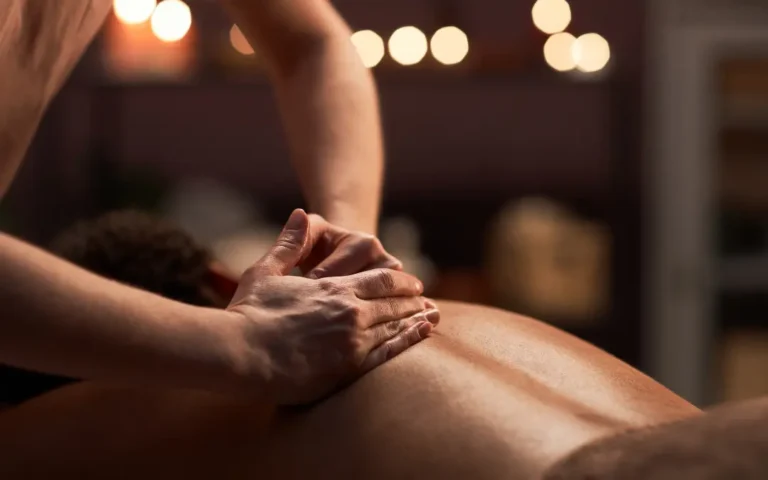
Back pain is one of the common reasons people ask about Marma Chikitsa.
In mild to moderate chronic back pain, especially where stiffness, Vata imbalance, stress, posture, or muscle tightness is involved, Marma Chikitsa may support pain relief and movement.
It may be used along with Ayurveda medicines, external therapies, stretching, strengthening, diet correction, and lifestyle changes.
But if there is severe pain going down the leg, progressive weakness, numbness, loss of bladder or bowel control, fever, trauma, or unexplained weight loss, the patient needs urgent medical evaluation.
Marma therapy should not delay diagnosis in such cases.
Marma Chikitsa for Joint Pain and Arthritis
In joint pain, Marma Chikitsa may help reduce stiffness, improve local comfort, and support movement.
It may be useful in selected cases of knee pain, shoulder stiffness, ankle stiffness, or chronic joint discomfort.
But arthritis is not one single disease. It may be osteoarthritis, rheumatoid arthritis, gout, inflammatory arthritis, post-injury arthritis, or some other condition.
Each one needs a different approach.
For example, a patient with rheumatoid arthritis may need systemic treatment, diet correction, medicines, monitoring, and long-term care. Marma Chikitsa may support comfort and function, but it should not replace proper treatment.
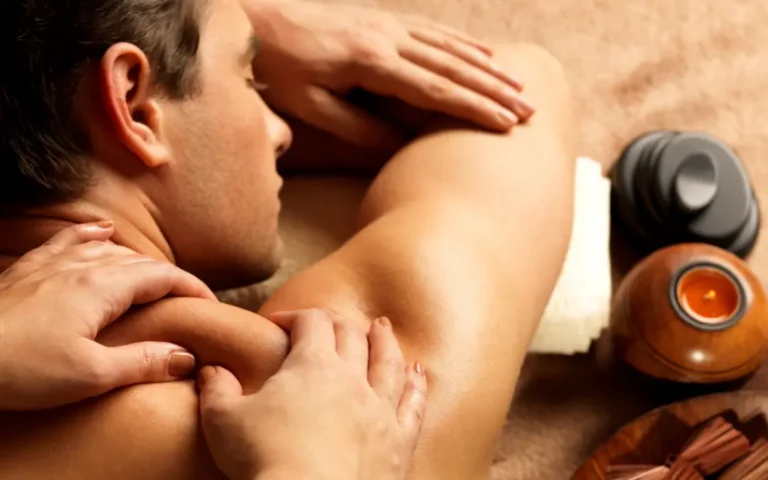
Marma Chikitsa for Frozen Shoulder
Frozen shoulder can be very painful. The shoulder becomes stiff, movement reduces, and simple daily activities become difficult.
Marma Chikitsa may be used as part of a broader treatment plan to reduce pain, relax surrounding tissues, and support movement.
It may be combined with oil therapies, exercises, gentle mobilization, and internal medicines where required.
But forceful manipulation should be avoided. Frozen shoulder needs patience. Aggressive treatment can increase pain.
Marma Chikitsa for Headache and Migraine Support
Some headaches are related to stress, neck stiffness, eye strain, jaw tightness, disturbed sleep, or long screen time.
In such cases, Marma Chikitsa around selected head, neck, shoulder, and facial points may support relaxation.
It may help in tension-type headache patterns or stress-related heaviness of the head.
But all headaches are not simple. Sudden severe headache, headache with vomiting, fever, confusion, weakness, vision disturbance, head injury, or a new headache in an older person needs urgent medical care.
In migraine, Marma Chikitsa may be used as supportive care, but migraine usually needs a broader plan involving trigger identification, sleep correction, diet, stress management, and medicines if required.
Marma Chikitsa for Stress, Anxiety, and Sleep Problems
Many people carry stress in the body.
The shoulders remain tight. Breathing becomes shallow. Sleep gets disturbed. The body feels tired even after rest.
In Ayurveda, such patterns are often linked with disturbed Vata and Prana. Marma Chikitsa may help calm the system and support relaxation.
It may be useful in stress-related body tightness, disturbed sleep, restlessness, fatigue, and mind-body exhaustion.
But severe anxiety, depression, panic attacks, suicidal thoughts, long-standing insomnia, or psychiatric illness need proper medical and psychological care. Marma Chikitsa may support recovery, but it should not replace treatment.
Marma Chikitsa for Digestive Discomfort
At first, digestion may seem unrelated to Marma Chikitsa. But in Ayurveda, digestion, stress, routine, sleep, and Vata movement are closely connected.
Some patients with bloating, abdominal tightness, irregular bowel movement, or stress-linked indigestion may benefit from Marma-based supportive care along with diet and lifestyle correction.
But persistent abdominal pain, vomiting, bleeding, unexplained weight loss, chronic diarrhoea, severe constipation, fever, or suspected gallbladder, kidney, liver, or intestinal disease should be evaluated medically.
Marma Chikitsa in Women’s Health
Marma Chikitsa may be used supportively in selected women’s health concerns where pain, stress, Vata imbalance, sleep disturbance, or body tension is involved.
It may support care in menstrual discomfort, lower back discomfort before periods, perimenopausal restlessness, stress-related sleep disturbance, or postpartum recovery under expert supervision.
But it should not be used casually during pregnancy. Certain areas should be avoided unless a qualified doctor specifically advises treatment.
Heavy bleeding, severe menstrual pain, fibroids, endometriosis, PCOS, infertility, pregnancy-related pain, or menopausal symptoms need proper diagnosis and structured care.
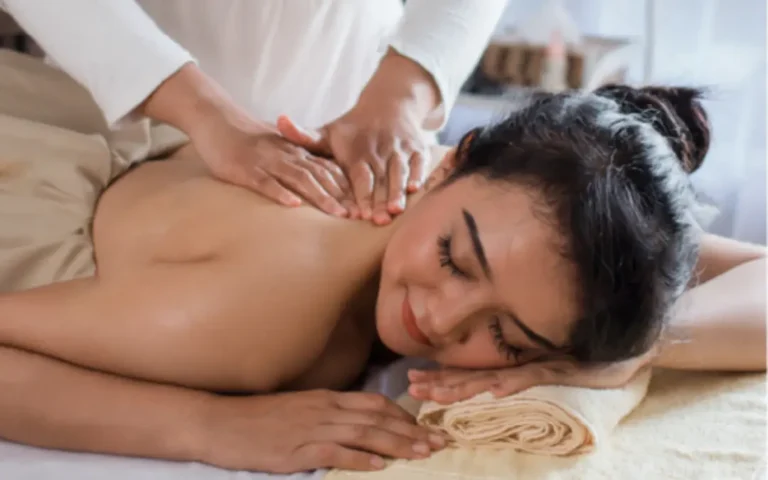
Marma Chikitsa for Injury Recovery
Marma Chikitsa may support recovery after minor injuries, sprains, muscular strain, or stiffness, once serious injury has been ruled out.
It may help reduce guarding, improve local comfort, and support movement.
But fractures, ligament tears, severe swelling, inability to bear weight, recent trauma, or acute severe pain need proper diagnosis first.
Marma therapy should not be used as a replacement for X-rays, scans, or medical evaluation when they are required.
When Should One Consider Marma Chikitsa?
You may consider Marma Chikitsa when:
- You have chronic or recurring pain that is not an emergency.
- You have stiffness that limits movement.
- You feel stress showing up in the body.
- You have posture-related tightness.
- You have sleep disturbance linked with stress or body restlessness.
- You are recovering from strain after serious injury has been ruled out.
- You want a gentle, non-invasive Ayurvedic supportive therapy.
- Your Ayurveda doctor feels it can be safely included in your treatment plan.
Marma Chikitsa is often most useful when the problem is not only structural but also functional. That means the body may be tight, sensitive, disturbed, or poorly regulated, but not necessarily damaged in a way that needs emergency care or surgery.
When Should Marma Chikitsa Be Avoided?
Marma Chikitsa should not be done casually in certain situations.
Avoid it or seek medical advice first if there is:
- Recent fracture
- Major injury or trauma
- Severe swelling
- Open wound or infection
- Fever with body pain
- Uncontrolled blood pressure
- Serious heart disease
- Pregnancy, unless advised by an expert
- Cancer-related pain, unless supervised by a doctor
- Severe osteoporosis
- Sudden severe headache
- Chest pain
- Severe abdominal pain
- Progressive weakness
- Numbness or loss of sensation
- Bladder or bowel disturbance
- Pain after fall or accident
A good doctor will first ask: Is this safe? What is the diagnosis? Is Marma suitable now? Does the patient need investigation? Should Marma be avoided?
This judgement is more important than the therapy technique itself.
Can Marma Chikitsa Cure Diseases?
This question needs a clear answer.
Marma Chikitsa should not be seen as a cure for every disease.
It may support healing, reduce discomfort, improve relaxation, and help the body respond better to treatment. But it is not a replacement for diagnosis, medicines, surgery when required, or emergency care.
For some patients, Marma Chikitsa gives noticeable relief. For some, it works slowly. For some, it may not be the main treatment at all.
The result depends on the condition, duration, body type, disease stage, and whether the full treatment plan is correct.
A responsible Ayurveda doctor will not say, “Marma will cure everything.”
A responsible doctor will say, “Let us first understand your condition. If Marma is suitable, we can include it safely.”
Can Patients Do Marma Therapy at Home?
Some simple relaxation techniques may be taught to patients for home practice. For example, gentle stimulation of selected points on the palm, feet, head, or face may help some people relax.
But full Marma Chikitsa should not be self-practised by watching online videos.
Some Marma points are sensitive. Wrong pressure, excess pressure, wrong timing, or use in the wrong condition can worsen symptoms.
If your doctor teaches you a safe home technique, follow only that. Do not experiment on painful areas, the neck, spine, abdomen, chest, or sensitive points without guidance.
How to Choose a Safe Marma Chikitsa Practitioner
Before choosing Marma therapy, patients should look for safety, not just confidence.
A safe practitioner should:
- Ask about your symptoms clearly.
- Ask about diagnosis, reports, medicines, surgery history, and medical conditions.
- Understand when Marma should not be done.
- Avoid aggressive pressure.
- Explain what they are doing.
- Work gently around sensitive areas.
- Refer you to a doctor when symptoms suggest something serious.
- Preferably be a qualified Ayurveda doctor or work under one.
- Be cautious in pregnancy, elderly patients, children, neurological symptoms, cancer, severe pain, and post-surgical cases.
If someone promises guaranteed cure, says no investigation is ever needed, applies forceful pressure, dismisses your pain, or asks you to stop all medicines without medical review, be careful.
A Doctor’s View on Marma Chikitsa
I look at Marma Chikitsa as a valuable Ayurvedic clinical tool. But I do not see it as a stand-alone miracle therapy.
First, we must understand the patient’s complaint. Then we must look at the disease, body constitution, lifestyle, stress, sleep, digestion, posture, age, medicines, reports, and warning signs.
Only after that we can decide whether Marma Chikitsa is suitable.
A patient with chronic neck pain may need Marma Chikitsa, posture correction, yoga, local therapies, internal medicines, and changes in work habits.
A patient with sciatica-like pain may need clinical examination, neurological assessment, imaging if required, Ayurveda medicines, external therapies, and careful movement guidance.
A patient with stress-related body pain may need Marma Chikitsa along with breathing practices, sleep correction, proper food timing, counselling, and routine changes.
A patient with arthritis may need disease-specific treatment first, with Marma used only as supportive care.
This is the right way to use Marma Chikitsa — with respect, caution, and clinical judgement.
Final Advice
Marma Chikitsa is one of Ayurveda’s subtle and valuable areas of knowledge. It reminds us that the body is not just bones, muscles, and joints. Pain is often connected to sleep, stress, digestion, breath, posture, lifestyle, and nervous system balance.
When used correctly, Marma Chikitsa may help the body relax, move better, and respond better to treatment.
But it should be used with care.
Do not treat Marma Chikitsa as a shortcut. Do not use it as a replacement for diagnosis. Do not ignore warning signs. Do not assume that every person claiming to be a Marma expert is safe for your condition.
If you have chronic pain, stiffness, stress-related body symptoms, poor sleep, or recurring discomfort, speak to a qualified Ayurveda doctor. Ask whether Marma Chikitsa is suitable for you and how it can be safely included in your overall treatment plan.
FAQ's:
Marma Chikitsa is an Ayurvedic therapy that works through specific vital points in the body called Marma points. These points are gently stimulated to support pain relief, relaxation, mobility, and body regulation.
Yes. Marma is part of Ayurveda and is described in classical Ayurvedic literature. Marma Sharira is also studied in BAMS as part of Ayurveda anatomy.
Marma Sharira is taught in BAMS under Rachana Sharira. Students learn the definition, classification, location, surface marking, and clinical importance of Marma points. However, clinical Marma Chikitsa usually requires additional hands-on training and experience.
All BAMS doctors study Marma as part of their curriculum, but not all doctors practise Marma Chikitsa as a specialty. Clinical skill in Marma usually develops through additional training, mentorship, and practice.
No. Marma Chikitsa is not the same as general massage. It is a specific Ayurvedic therapy based on vital points and should be done with clinical understanding.
Marma Chikitsa is generally gentle when performed by trained professionals. But it may not be suitable in pregnancy, fractures, acute injuries, severe illness, neurological red flags, infection, or serious medical conditions unless advised by a doctor.
Some traditional healers may have valuable knowledge and experience. But patients should verify their training, safety practices, and whether they work with qualified doctors. For disease-related conditions, doctor-guided care is safer.
It may help in selected cases of back pain, especially when stiffness, posture, muscle tightness, stress, or Vata imbalance is involved. Severe radiating pain, weakness, numbness, or bladder/bowel symptoms need urgent medical evaluation.
Marma Chikitsa may support relaxation and nervous system calming in some patients. But severe anxiety, depression, panic attacks, or long-standing insomnia need proper medical care.
Only simple techniques taught by a qualified doctor should be done at home. Full Marma Chikitsa should not be self-practised using online videos or charts.
About Author
Dr. P. Saritha Nair
Dr. P. Saritha Nair is a senior Ayurveda doctor with over 36 years of clinical experience in Ayurvedic medicine, Panchakarma, and rehabilitation-focused care. She completed her BAMS from Govt Ayurveda College, Trivandrum, and has since worked with several reputed Ayurveda institutions across Karnataka and Kerala.