Over the past two decades, I’ve encountered two common questions from patients dealing with herniated disc issues. In this blog, I aim to address these primary concerns one by one. Please note that I won’t delve into extensive explanations about what a herniated disc is or the symptoms associated with it in this article.
- Can herniated discs be cured without surgery through Ayurvedic treatments?
- Is Permanent Cure Possible for Herniated Discs with Ayurvedic Treatments?
Understanding Disc Herniations: When Surgery Might Be Needed
In bustling Bangalore, known for its vibrant tech industry and dynamic professional landscape, herniated discs are becoming a significant concern, particularly among working women. My practice has seen an increase in consultations, not just locally but from various Indian cities, as more professionals seek guidance on managing this challenging condition.
A patient may be advised by his doctor for surgery in the following cases
1. Cervical Disc Herniation (CDH)
Surgery might be needed if symptoms persist for six months without improvement from conservative treatment.
2. Thoracic Disc Herniation (TDH)
Surgery is considered when conservative measures fail or neurological symptoms worsen. Giant calcified TDH or signs of myelopathy on MRI, even without symptoms, preventive surgery may be recommended by your doctor.
3. Lumbar Disc Herniation (LDH)
Surgery is indicated if imaging confirms LDH, aligning with clinical findings. The doctor may prescribe Surrey if there’s no improvement after six weeks of conservative care.
Ayurvedic Solutions: Managing Your Herniated Disc Without Surgery
In Ayurveda, the occurrence of a herniated disc is often attributed to an imbalance in the Vata dosha. For a common understanding, The Vata dosha is associated with movement and controls functions related to the nervous system, such as mobility and communication between cells. Here we are not referring to the development of herniation of the disc due to trauma or injury
Exploring the Impact of Ayurvedic Treatment on Disc Herniation
We adhere to traditional Kerala Ayurveda medical protocols while incorporating modern diagnostics, ensuring improved outcomes for individuals facing herniated disc issues. Ayurvedic treatments for disc herniation primarily aim to achieve the following
Ayurveda treatments aim to decompress or relieve pressure on the spinal nerves that may be causing pain, numbness, tingling, or muscle weakness by aiding the body to rearrange itself by creating a space within the spinal canal and reducing compression on nerves.
2. Stabilization of the Spine
Here the treatment aims to stabilize the spine to prevent further herniation or address instabilities.
What are Effective Ayurvedic Treatments for Disc Herniation?
We typically utilize the existing MRI report to assess the extent of herniation. It’s observed that in the majority of cases, herniation occurs at L4/L5, regardless of age. A thorough assessment of hereditary factors and the patient’s lifestyle, including job nature, dietary habits, and habits like smoking and alcohol consumption, is also taken into consideration. The treatment protocols are structured into three stages.
Ayurvedic Treatment for Herniated Disc: Stage One
In this phase, the primary focus is on stabilizing the body using oral and topical medications. Typically, a blend of Ayurvedic Kashayams, in the form of liquids or tablets, is prescribed. Alongside, there are recommended lifestyle and diet changes. This stage typically spans two to three months, during which patients often notice gradual improvements in symptoms. Many experience up to 90% relief within three months, and in certain cases, additional Ayurvedic therapies may be recommended to expedite recovery.
Ayurvedic Treatment for Herniated Disc: Stage Two
By this stage, patients generally witness considerable improvement in symptoms, allowing them to resume daily activities without hindrance. Medications are tapered down, and some dietary and lifestyle restrictions are eased. However, activities like prolonged sitting and riding two-wheelers may still be cautioned against.
Ayurvedic Treatment for Herniated Disc: Stage Three
In the third stage, the treatment aims to maintain body stability and uphold dosha equilibrium to prevent herniation recurrence. Patients are advised to continue with easily-administered medicines, while ongoing recommendations for diet and lifestyle adjustments persist.
Ayurvedic Therapies for Herniated Disc
As I mentioned earlier, in certain cases, we recommend specific Ayurvedic therapies. It’s crucial to note that these therapies are never isolated; they are an integral part of our comprehensive treatment protocol
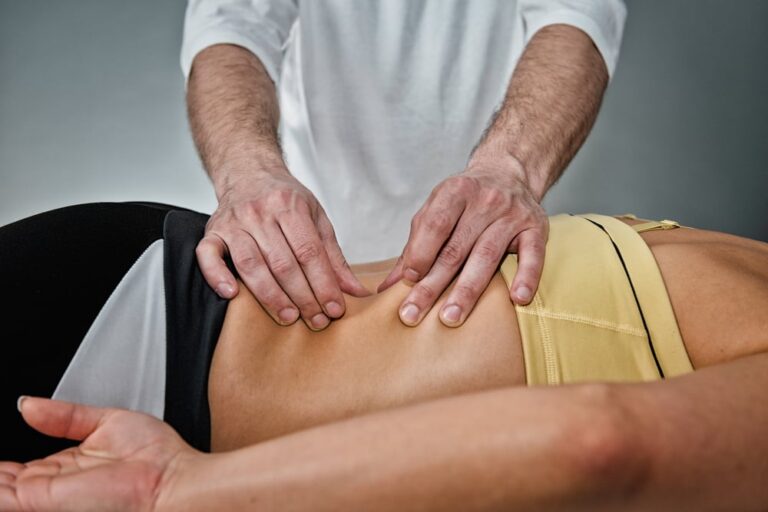
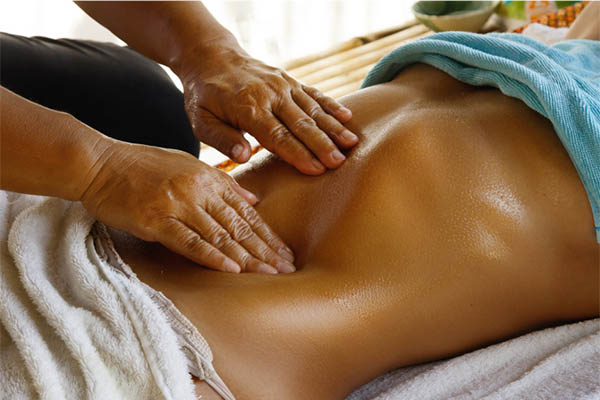
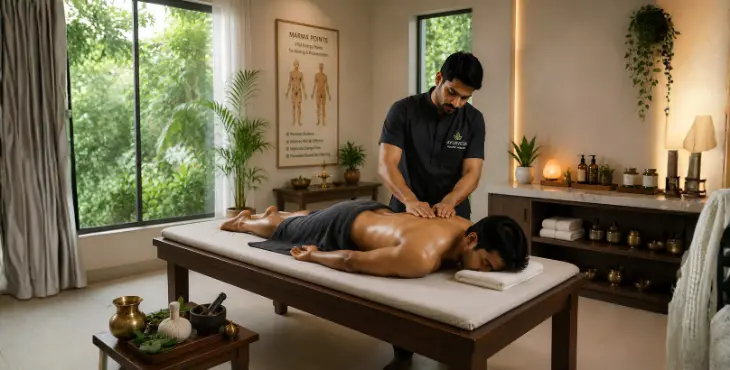
Abhyangam for Herniated Disc (Ayurvedic Massage)
Abhyangam involves the application of medicated oils through gentle massage. It aims to reduce pain, inflammation, and stiffness, while also nourishing the muscles and tissues.
Pizhichil for Herniated Disc (Oil Bath Treatment)
Pizhichil involves pouring warm, medicated oil over the body in a rhythmic manner. It is known for its rejuvenating properties and helps in reducing pain and inflammation.
Nasyam for Herniated Disc (Nasal Therapy)
Nasyam involves the administration of medicated oils or herbal preparations through the nasal passages. It helps in reducing inflammation and balancing the Vata dosha.
Kati Basti for Herniated Disc (Localized Oil Pooling)
Kati Basti involves creating a dam-like structure around the affected area and filling it with warm, medicated oil. It is particularly beneficial for lower back issues.
Greeva Basti for Herniated Disc (Neck and Shoulder Oil Pooling)
Similar to Kati Basti, Greeva Basti focuses on the neck and shoulder region. It helps in reducing stiffness and pain associated with cervical disc herniation.
Basti for Herniated Disc (Enema Therapy)
Basti involves the administration of herbal decoctions or oils through the rectum. It helps in balancing the doshas and promoting overall
Yoga Asanas for Herniated Disc (Postures)
Yoga postures, especially those focusing on gentle stretching and strengthening of the back, can be beneficial for individuals with herniated discs.
Pranayama for Herniated Disc (Breathing Exercises)
Pranayama involves controlled breathing techniques. It helps in calming the mind, reducing stress, and balancing vital energy (prana).
Is Permanent Cure Possible for Herniated Discs with Ayurvedic Treatments?
At certain stages, achieving a complete cure for herniated discs may not always be possible. Nonetheless, Ayurvedic treatments offer an effective approach to help patients effectively manage the condition in the long term, without causing any side effects. These treatments focus on minimizing symptoms, improving overall well-being, and enhancing the quality of life for individuals dealing with herniated disc issues
How much does Ayurvedic treatment for herniated discs cost?
This is a common concern among many patients. As you’ve likely gathered, the cost of the treatment largely depends on the patient’s stage of approach and their response to the treatment. However, according to a comparative study conducted by UWAY on the total cost of herniated disc management, Ayurveda stands out as the most cost-effective option. This might be surprising, considering all the factors involved when compared to treatments in other medical streams
In summary, while my primary goal was to address the two most frequently asked questions regarding Ayurveda treatment for disc herniation, I have also covered the following questions. If you require further clarification, please feel free to contact us at
care@uwayhealth.com.